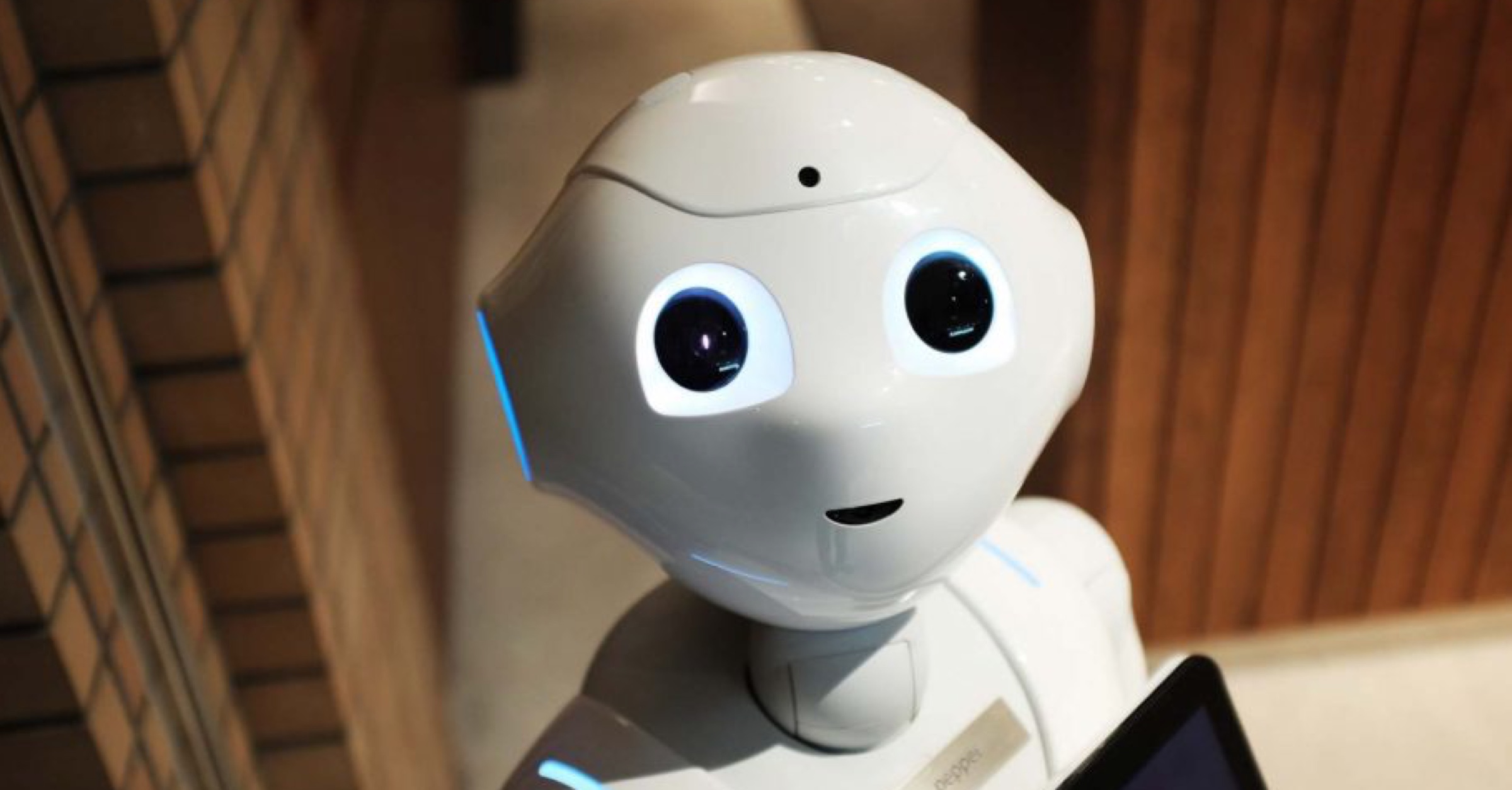
By the year 2030 up to 20 million jobs across the world could have been taken over by robots. Today automation is making it possible to perform tasks more efficiently and precisely than any human could ever hope to do, great news for businesses but concerning for workers.
Automation won’t completely eliminate jobs but it will transform them, certain skills will probably never be replicated by a machine. So keep reading if you fin yourself asking;
“What should I learn today so that I’ll have a job in the future?”
Emotional Intelligence is a competence that even the most advanced AI machines cannot outdo you on. A basic level of emotional competence is being able to acknowledge emotions in the context of analysis and action. The next level is the ability to successfully intervene in an emotionally complex situation, when someone is hurt or confused. At the highest level, emotional intelligence involves persuading individuals and groups by evoking emotion (while simultaneously recognising that some team members don’t buy into what you’re saying).
Siri might know almost everything, but she has no idea how you’re feeling. Experts believe that no amount of advancements will be able to replicate human emotion with AI, and it’s a vital skills in many jobs.
Similarly, you won’t find a machine with an ethical compass any time soon. Artificial Intelligence and Machine Learning does as it is told – without the ability to think for itself a robot won’t think twice about the ethical implications behind it’s actions, which is incredibly important in today’s world. Future leaders will have to embrace making ethical decisions for a company as more and more roles are automated.
Communication is, and always will be key. Of course Alexa can respond to most things you say, but she can’t grab people attention or motivate people to do something like you can. Effective communication is an art: it considers the situation, the values and objectives of stakeholders, historical context and business objectives.
Creativity is a skill that some people are naturally better at than others, and experts don’t know why – so it’s no surprise that it can’t be embedded in an AI system. You have the ability to think spontaneously and use your imagination, developing skills within creative thinking will make your role impossible to replace.
Teaching/training are hugely supported by innovation in tech, however the act of passing on a new skills requires patience and understanding, which AI doesn’t have. Although it can learn much faster than we can, it doesn’t have same instincts we do when it comes to teaching. “The essence of teaching is deep expertise and complex interactions with other people.”
In the coming years our workforce will change dramatically. Education needs to focus on how we interact with technology, and what it can’t do, so that our next workforce is able to collaborate with innovation rather than be jobless because of it.
If you are concerned about the risk of your job being taken over by automation, start to build on your soft skills and highlight them with clear examples in your CV. If you’re in a job that requires creativity and a depth of knowledge (or significant hands-on, personal contact), you’re in a much safer spot for the foreseeable future.
We track how people interact with our online web content and resources, and some of that tracking involves storing cookies on your device. By continuing to use our site you accept that you agree to this. For more details see our Privacy Statement.
 310
310
310
310